Why I Stopped Buying Expensive Protein Powder: Hitting Macros with Real Indian Food
Published on May 19, 2026
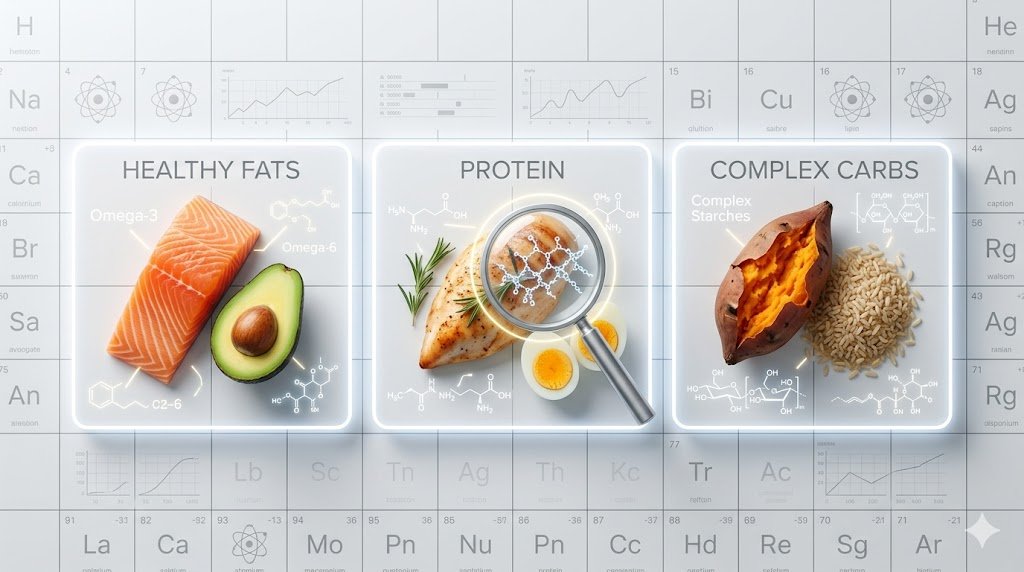
When I first got serious about weightlifting, I was convinced that the secret to a great physique was locked inside a ₹3,500 tub of imported Whey Protein Isolate. I would religiously drink a scoop after every workout, believing there was a magical "anabolic window" that I would miss if I relied on real food. But as inflation hit and the cost of premium supplements skyrocketed, maintaining that habit became incredibly expensive. I was spending nearly ₹40,000 a year just on protein powder.
I decided to run an experiment. Could I hit my aggressive 140-gram daily protein target using only normal, everyday foods available at my local Indian grocery store, without breaking my calorie budget? The answer was a resounding yes, and my digestion improved drastically in the process.
The Supplement Industry Illusion
The first thing you have to realize is that "Whey" is not a steroid. It is not a magical muscle-building compound. Whey is literally just a byproduct of making cheese from cow's milk. It is processed, dehydrated milk protein. It has exactly the same biological building blocks (amino acids) as chicken, eggs, or paneer.
Supplement companies spend millions on marketing to convince you that your body needs "fast-absorbing" liquid protein immediately after a workout. However, modern sports science has thoroughly debunked this. As long as you hit your total daily macro target (which you can find using our Macro Calculator) within a 24-hour window, your body will build muscle perfectly fine. Real food works just as well, if not better.
My 140g Real-Food Blueprint
Here is exactly how I structure a standard eating day to hit 140 grams of highly bioavailable protein without a single scoop of powder:
Breakfast: The Incredible Egg (24g Protein)
I eat four whole eggs every single morning. I don't separate the yolks because the yolk contains essential fats, vitamins, and half the total protein. Four eggs give me roughly 24 grams of perfect-quality protein for less than ₹30.
Lunch: Chicken Breast / Soya Chunks (45g Protein)
For non-vegetarians, chicken breast is the ultimate cheat code. 150 grams of cooked chicken breast yields roughly 45 grams of pure protein with almost zero fat. For my vegetarian days, I swap this with 80 grams of Soya Chunks (Nutrela). Soya is arguably the cheapest, most protein-dense vegetarian food in India, providing over 40 grams of protein per 80-gram serving.
Evening Snack: Greek Yogurt & Almonds (15g Protein)
Instead of a whey shake, I have a large bowl (150g) of plain, unsweetened Greek yogurt (or hung curd/chakka). It is thick, creamy, and packed with casein protein which digests slowly, keeping me full for hours. It provides about 10g of protein, and a small handful of almonds adds another 5g.
Dinner: Paneer or Fish (36g Protein)
I finish the day with either 150 grams of low-fat Paneer (cottage cheese) or local fish (like Rohu or Katla). 150g of paneer yields roughly 27 grams of protein. I pair this with a large bowl of thick Dal (lentils), which adds another 9 grams of supplementary protein to the meal.
Total: 120g of Direct Protein. Add in the trace protein from rice, wheat (rotis), and vegetables eaten throughout the day, and I easily cross the 140g threshold.
The Digestion Benefit
One of the most surprising benefits of dropping the powder was how much better my stomach felt. Artificial sweeteners (sucralose) and thickeners found in commercial protein powders often cause severe bloating and gas. When I switched to eggs, chicken, soya, and curd, my gut health improved massively. Plus, chewing real, solid food is significantly more satisfying than chugging a watery, chocolate-flavored liquid.
Final Thoughts
Protein powder is a "supplement," not a requirement. It should only be used to supplement a diet if you are traveling or completely out of time to cook. If you are struggling to hit your protein goals, stop looking at expensive imported tubs. Go to your local dairy, buy a tray of eggs and some fresh paneer, use the macro calculator to track your portions, and watch your body change naturally.

Written by Rishav
Founder & Lead Developer
Rishav is an independent software developer and financial enthusiast based in India. He built CalculiX Pro to combat the cluttered, ad-heavy landscape of utility websites and provide users with privacy-first, instant mathematical answers. When not coding, he writes about personal finance, algorithmic logic, and web architecture.
Read more about the mission